For over a decade, a familiar yellow cloud and a bouncy "Playhouse" promised delightful mornings filled with friends, lessons, and imagination for preschoolers. Then, almost overnight, that beloved brand transformed into something new, yet equally enchanting. The transition from Playhouse Disney to Disney Jr. Logo wasn't just a simple name change; it represented a strategic evolution in how Disney approached its youngest audience, signaling a bolder, more unified global vision.
This shift, which fully materialized in 2011, marked a significant moment for parents and children alike, bringing new programming, a fresh visual identity, and a consolidated brand experience. Understanding this evolution helps us appreciate the thoughtful strategy behind one of the most successful children's entertainment brands in the world.
At a Glance: Key Takeaways from the Playhouse Disney to Disney Jr. Evolution
- Playhouse Disney's Roots (1997-2011): Started as a Disney Channel block, formally branded in 1999, focusing on a "whole child" philosophy with beloved characters and interactive segments.
- Logo Journeys: Both brands saw multiple logo iterations, each reflecting design trends, strategic goals, and sometimes, unrealized plans. Playhouse Disney logos often featured character elements and a distinctive yellow cloud.
- The Big Rebrand (2011): Playhouse Disney rebranded as Disney Junior to create a single, global brand for preschool content, consolidating TV, products, and digital experiences.
- New Direction: Disney Junior emphasized high-quality CGI animation and integrated major Disney, Pixar, Marvel, and Star Wars intellectual properties.
- Disney Junior's Signature Look: Its inaugural logo (2011-present) famously stylized the "i" in "Junior" as a Mickey Mouse head, signifying a clear connection to the parent brand.
- Modern Refinements (2024): The latest Disney Jr. logo streamlines the design, shortens "Junior" to "Jr.," and removes character animations for a cleaner, digitally optimized aesthetic.
- Legacy Lives On: Many classic Playhouse Disney shows are now available on Disney+, ensuring new generations can discover them.
The Dawn of Preschool Magic: Playhouse Disney's Enduring Legacy (1997-2011)
Before Disney Junior became a household name, there was Playhouse Disney. It originated as a daily programming block on the Disney Channel in 1997, quickly establishing itself as a specialized haven for preschoolers aged 2 to 7. By 1999, it officially received its iconic "Playhouse Disney" branding, setting the stage for over a decade of educational entertainment.
The mission was clear: compete with established rivals like Nickelodeon’s Nick Jr. by offering content rooted in a "whole child" philosophy. This meant not just entertaining, but actively supporting social-emotional skills, problem-solving, physical movement, and creativity. Think back to interactive puppet hosts like Clay, guiding children through segments, or the gentle life lessons learned from Bear in the Big Blue House and the imaginative adventures of Rolie Polie Olie. Other beloved staples like Stanley, JoJo’s Circus, PB&J Otter, and Mickey Mouse Clubhouse cemented Playhouse Disney's reputation as a trusted partner for parents seeking quality content. It wasn't just TV; it was a developmental tool disguised as fun.
Decoding the Icons: Playhouse Disney's Logo Evolutions
A brand's logo is its handshake with the world, and Playhouse Disney's identity evolved significantly over its lifespan, reflecting shifts in design trends and strategic intent. Each iteration told a part of its story:
1999–2001: The Debut with Familiar Faces
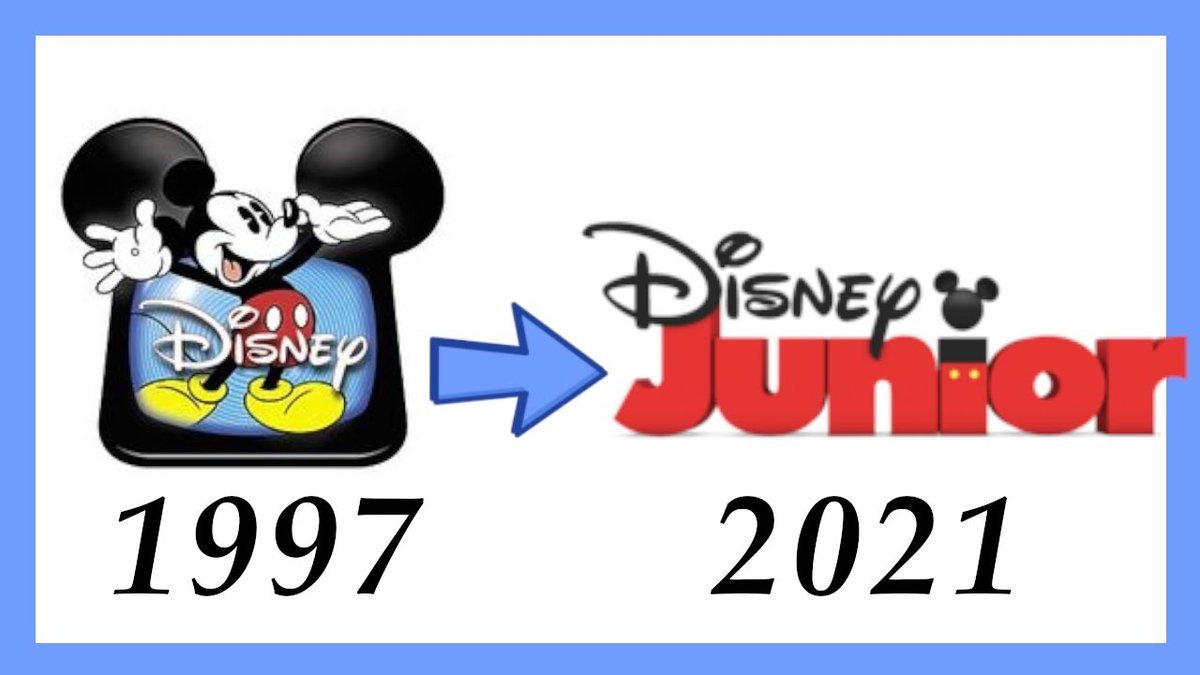
The very first emblem was a warm, character-driven introduction. It featured Mickey Mouse’s head, ingeniously transformed into a blue TV screen displaying the classic Disney logo, alongside a waving Winnie the Pooh holding a honey pot. "Playhouse" itself was written in a whimsical yellow cloud, with multicolored, clay-like letters that immediately signaled a child-friendly, tactile world. This logo leveraged the immense recognition of Disney's most iconic characters to instantly communicate safety and fun.
2000–2011: The Streamlined Cloud
A rapid update brought a logo designed by Beehive. This version removed the character drawings, simplifying the visual while retaining the core elements. It featured a clearer, multicolored, bouncing "Playhouse" inscription within a yellow cloud, with the Disney logo positioned neatly below. The goal here was strategic: to build parent recognition for the standalone "Playhouse" brand, ensuring it resonated as a distinct, quality offering within the larger Disney universe. This became the most enduring version of the Playhouse Disney logo.
2001–2002: The Brief "Channel" Era
Another Beehive design, this logo mirrored the main Disney Channel logo of its time (1999-2002). It depicted a black TV with Mickey Mouse ears, a blue screen, a central Disney logo, and a black "Channel" inscription. The familiar yellow cloud with "Playhouse" was positioned at the top, slightly in the background. This design likely hinted at early aspirations for a dedicated Playhouse Disney channel, a plan that didn't immediately come to fruition, leading to its swift replacement.
2002–2011: Peeking Curiosity
This iteration, a collaborative effort by Beehive, Primal Screen, and CA Square, became synonymous with the later years of Playhouse Disney. It featured a playful Mickey or Toodles (from Mickey Mouse Clubhouse) peeking from the corner, revealing two ears and part of their head against a vibrant yellow background with a purple outline. This design cleverly symbolized childhood curiosity and Toodles' emerging educational role within programming. The block’s name and the Disney logo were placed centrally, making it a highly recognizable and beloved visual.
2010–2011: The TV Frame Enhancement
A subtle but significant update occurred in the final years. A yellow square TV screen was added to the background of the main peeking character logo. This refinement made the character's ears appear to peek from the television, further emphasizing the idea of looking into a world of play and discovery through the screen.
A New Chapter Unfurls: Why Disney Junior?
The shift from Playhouse Disney to Disney Junior wasn't born out of necessity for change, but rather a visionary business decision. On February 14, 2011, Playhouse Disney was strategically rebranded and relaunched as Disney Junior in the U.S. This move was about creating a unified, global brand for all of Disney’s preschool content, consolidating television channels, consumer products, online games, and live shows under a single, strong banner.
The reasoning was multi-faceted. Firstly, it aimed to strengthen Disney’s competitive position against established rivals like Nick Jr., which had a well-defined global presence. By creating a unified "Disney Junior," the company could leverage its immense brand power more effectively on an international scale. Secondly, it explicitly connected the preschool content more directly to the master Disney brand, assuring parents of the quality and values they associated with Disney as a whole. It was about presenting a cohesive, premium experience from screen to merchandise. The final Playhouse Disney program was Handy Manny, a fitting send-off before the immediate Disney Junior premiere of Jake and the Never Land Pirates. This transition culminated in a dedicated 24/7 Disney Junior cable channel, which notably replaced Soapnet on March 23, 2012, marking a full commitment to the preschool demographic.
From Block to Brand: The Disney Junior Takeover
With the rebrand came a fresh perspective on content. Disney Junior ushered in an era primarily dominated by high-quality 2D and 3D CGI animation, a distinct departure from some of Playhouse Disney's more traditional animation styles. More importantly, it heavily integrated major intellectual property from across the Disney universe, including Disney Princesses, Pixar characters, Marvel superheroes, and even Star Wars lore. This allowed for broader storytelling and cross-promotional opportunities that truly set it apart.
Flagship shows like Jake and the Never Land Pirates immediately captured imaginations, while existing hits like Mickey Mouse Clubhouse continued their run under the new banner. Soon, original series such as Doc McStuffins and Sofia the First became breakout successes, known for their strong characters and positive messages. More recent hits like Bluey (acquired internationally) and Spidey and His Amazing Friends continue this tradition, showcasing a blend of educational value, imaginative play, and exciting adventures, all infused with the signature Disney touch.
The Mark of Modern Childhood: Disney Junior Logo Evolution
Just as its predecessor, the Disney Junior brand has also seen its logo evolve, reflecting a drive for modernization and consistency across platforms.
2011–Today: The Iconic Mickey "i"
The inaugural Disney Junior logo, designed by We Are Royale, immediately became recognizable. It featured "Junior" written in large, red, voluminous letters. The genius of the design lay in the letter "i," which was stylized to resemble Mickey Mouse: a black top, two white buttons (evoking Mickey’s shorts), and a schematic Mickey head for the dot. The classic black Disney inscription remained at the top left, retaining its traditional hand-drawn calligraphic style. For "Junior," a three-dimensional Futura Extra Bold typeface was used, giving it a playful yet modern feel. This logo brilliantly merged the new brand with Disney's most enduring symbol. If you're curious about all the nuances and details of this iconic emblem, you can dive deeper into Everything about the Disney Jr logo.
2020–2024: Refined Details
While visually similar to the 2011 version, We Are Royale undertook a refinement of details, particularly concerning Mickey’s image within the logo. These were subtle tweaks, likely aimed at optimizing its appearance across various digital and print applications, ensuring clarity and consistency without altering the core identity.
2024–Today: The Streamlined "Jr."
Launched officially on June 1, 2024 (though debuting in promotional materials in May), the latest Disney Junior logo represents a significant modernization. It features a simplified, cleaner design. Crucially, animated characters have been removed, making the logo more versatile and applicable across a wider range of marketing materials and platforms. "Junior" is now shortened to "Jr.," making the text more compact and placed on a single line. The familiar Disney signature calligraphic style is presented in a refreshing blue gradient, while "Jr." retains its bold red. Even the period after "Jr." is blue, tying into the overall color scheme. These updates aim to align the visual identity with modern tastes, digital optimization requirements, and a broader strategic vision for the brand's future.
Beyond the Screen: The Wider Impact of Disney Junior
The transition to Disney Junior was more than just a name change; it was a strategic reimagining of Disney's presence in the preschool space. By unifying the brand globally, Disney created a powerful ecosystem where TV shows, theme park experiences, merchandise, and digital content all flowed seamlessly under one umbrella. This consolidation allowed for a stronger, more consistent brand message and greater leverage in the highly competitive children's entertainment market.
The emphasis on integrating beloved Disney, Pixar, Marvel, and Star Wars intellectual property has paid dividends. It allows parents to introduce their children to familiar characters and worlds at an early age, building brand loyalty that can last a lifetime. This strategy not only enhances the viewing experience but also opens up vast possibilities for consumer products and interactive experiences.
Finding the Magic Again: Where to Watch Classic Playhouse Disney and Current Disney Junior
For those feeling a wave of nostalgia for Playhouse Disney or looking to explore its rich history, there's good news. Many classic Playhouse Disney shows have found a new home on Disney+, making them easily accessible for streaming. You can relive the adventures of Bear in the Big Blue House, join the fun with JoJo’s Circus, embark on musical journeys with Little Einsteins, or see what's new with Handy Manny. Other favorites like Higglytown Heroes, Rolie Polie Olie, and Stanley are also available, ready to charm a new generation or bring back cherished memories.
For current Disney Junior programming, the dedicated 24/7 Disney Junior cable channel remains the primary hub. Additionally, new episodes and existing series are frequently available on Disney+ shortly after their broadcast premiere, offering convenient on-demand access. The official Disney Junior YouTube channel also provides a treasure trove of content, including full episodes, clips, and sometimes, even delightful throwback content from the Playhouse Disney era.
If you're a collector, official DVD releases of many classic Playhouse Disney and current Disney Junior shows can still be found on platforms like Amazon and eBay. Don't forget your local library; many carry DVD collections of popular children's programming that could include some of your old favorites.
The Future is Bright (and Red): What's Next for Disney Junior
The journey from Playhouse Disney to Disney Junior is a testament to Disney's adaptability and foresight in the ever-evolving landscape of children's entertainment. From its humble beginnings as a programming block to a globally unified brand with a dedicated channel and a strong digital presence, Disney Junior continues to innovate.
The latest logo update, with its streamlined "Jr." and modern aesthetic, signals a commitment to staying relevant in a fast-paced, digitally-driven world. It emphasizes clarity, modern design, and a direct connection to the core Disney brand, all while maintaining its vibrant, playful spirit. As technology advances and storytelling evolves, we can expect Disney Junior to continue delivering high-quality, engaging content that nurtures imagination and growth in preschoolers worldwide, ensuring that the magic continues for generations to come.