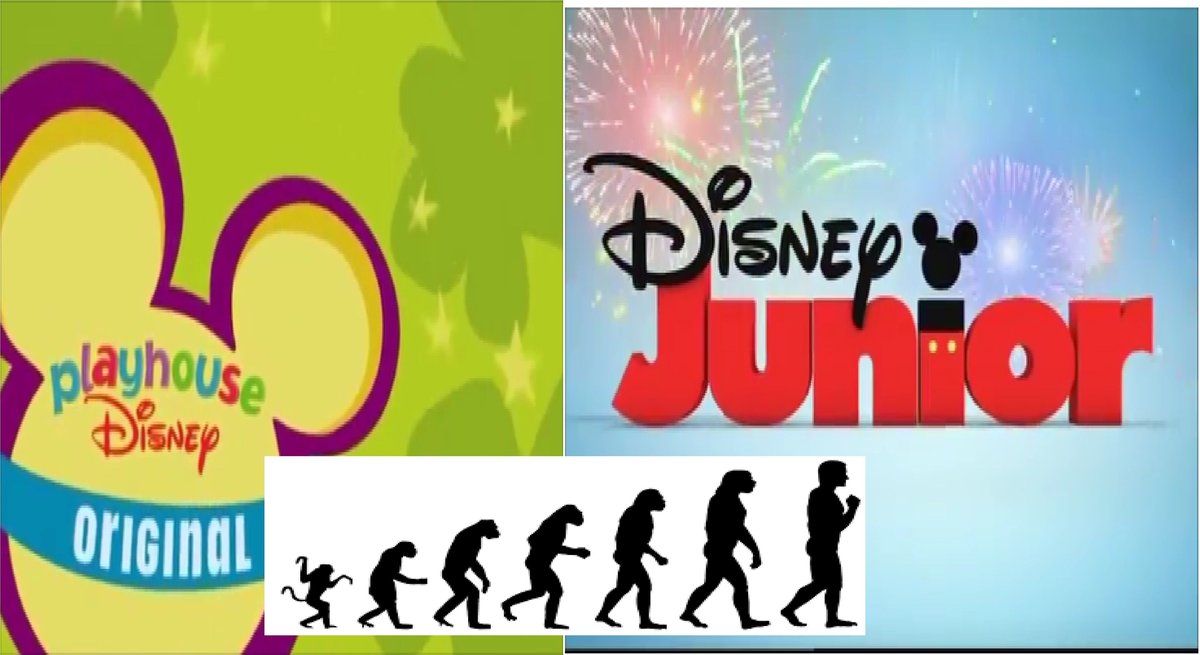
The bright, whimsical world of Disney Junior holds a special place in the hearts of millions of families. But before it was Disney Junior, it was Playhouse Disney, and before that, it was an innovative block of programming on Disney Channel. Behind the vibrant characters and engaging stories lies a fascinating story of brand evolution, meticulously tracked through its iconic visual identity. Understanding the History and Evolution of the Disney Jr. Logo isn't just a nostalgic trip; it's a deep dive into how a media giant adapts its visual language to connect with its youngest audience across changing decades and digital landscapes.
It’s about more than just a picture; it’s about signaling growth, focus, and a promise of enchantment to an audience that relies heavily on visual cues. Each iteration of the Disney Jr. logo, from its earliest forms to its latest, tells a distinct chapter in this brand's enduring narrative.
At a Glance: The Journey of the Disney Jr. Logo
- From Block to Channel: Started as Playhouse Disney, a programming block on Disney Channel (1999), evolving into its own 24-hour channel (2012).
- The Playhouse Era: Characterized by logos featuring Mickey Mouse's iconic ears and whimsical, cloud-like typography, often integrating familiar Disney characters like Winnie-the-Pooh.
- The Big Rebrand: Playhouse Disney transitioned to Disney Junior in 2011, signaling a refreshed, modern approach to preschool content.
- Disney Junior's Signature Look: The dominant pre-2024 logo featured a distinct blue cursive "Disney" and bold, red "Jr.," with Mickey's head playfully topping the 'i'.
- Subtle Refinements: The main Disney Junior logo saw minor updates, like the 2020 version which enhanced 3D effects and Mickey's stylized appearance.
- The Modern Shift: A new, abbreviated "DJr." logo emerged in 2024, reflecting contemporary branding trends and perhaps a nod to digital brevity.
Laying the Foundation: The Playhouse Disney Years (1999-2011)
Before Disney Junior became a standalone powerhouse, it nurtured its young audience under the banner of Playhouse Disney. This era, spanning over a decade, saw a steady evolution in its visual identity, mirroring its growth from a nascent programming block to a well-established brand for preschoolers. The journey began in earnest on February 1, 1999, with a dedicated block on Disney Channel, introducing original series like PB&J Otter, Rolie Polie Olie, and Out of the Box.
The Inaugural Logo: Whimsy and Familiarity (1999-2001)
The very first Playhouse Disney logo was a charming introduction, immediately establishing a connection to the broader Disney universe while carving out its own playful niche. Picture a black TV with Mickey Mouse's ears playfully framing the screen. Inside, a 3D Winnie-the-Pooh peeked out, a gentle, recognizable face for young viewers. The "Disney" logo, a mark of quality and magic, was placed prominently over Pooh, ensuring parents recognized the trusted source.
Above this scene, a yellow cloud nameplate housed the "Playhouse" lettering. These letters were multicolored, lowercase, and sans-serif, exuding a soft, friendly, and approachable vibe perfect for its target audience of children under eight, specifically two to seven years old. This initial design was more than just an emblem; it was an invitation, signaling a safe, fun space where beloved characters came to life.
The Channel's Debut and a Refined Look (2001)
As Playhouse Disney gained traction, it sought to solidify its identity. On April 16, 2001, the block officially rebranded as "Playhouse Disney Channel," a move that came with a subtle yet significant logo update. This version kept the core elements of its predecessor but injected a touch more polish and clarity. The most noticeable change was the blue screen within the Mickey TV set, now directly showcasing the Disney logo. The yellow cloud nameplate was lightened, giving it a softer, more ethereal quality, and the blue space between Mickey’s ears was removed, streamlining the iconic silhouette. This iteration reflected a growing confidence in the brand, hinting at its eventual independence.
Dropping "Channel" and Embracing Mickey (2002)
Just over a year later, on September 30, 2002, the brand refined its name once more, simplifying back to "Playhouse Disney" by dropping "CHANNEL." This streamlining effort was accompanied by another logo evolution, one that leaned even further into the enduring power of Mickey Mouse. The new logo featured a white silhouette of Mickey Mouse's head peeking from a corner, accented with violet contours. This Mickey contained the same friendly, lowercase sans-serif "Playhouse" script that had become synonymous with the brand since 2000, often displayed within a bright yellow cloud with green contours. This design cleverly used Mickey not just as an identifier but as an active, playful element of the logo itself, engaging directly with the viewer.
The Familiar Form: Mickey in a Box (2000s - Final Logotype)
Throughout the 2000s, variations of the Playhouse Disney logo continued to refine this Mickey-centric theme. What many viewers might remember as the "final logotype" of the Playhouse Disney era solidified this approach. It featured the familiar Mickey silhouette, now placed distinctly in the corner of a yellow-and-violet square with rounded corners. This design was clean, contained, and incredibly effective. The combination of yellow and violet, along with the soft, rounded edges, communicated warmth and playfulness, while Mickey’s omnipresence reinforced the Disney connection. The same beloved "Playhouse" lettering continued to be used, maintaining continuity in its wordmark as the visual container evolved.
A short-lived logo, similar to the 2010 Disney Channel logo, made a brief appearance from May 29, 2010, until February 14, 2011. This fleeting design served as a visual bridge, hinting at the impending dramatic shift in branding that was just around the corner, marking the twilight of the Playhouse Disney era.
The Big Leap: Ushering in Disney Junior (2011-2012)
The 12-year "Playhouse" era concluded with a major strategic announcement in November 2010: Playhouse Disney would be replaced by Disney Junior. This wasn't just a name change; it was a repositioning, a modernization, and a clear signal of Disney's ongoing commitment to its preschool audience in an increasingly competitive media landscape.
The new branding first launched with the morning block on Disney Channel on February 14, 2011. This date officially marked the end of Playhouse Disney and the dawn of Disney Junior in the U.S., transitioning its beloved programming and introducing new content under the fresh identity. The full realization of this vision came a little over a year later, when a dedicated 24-hour Disney Junior television channel (also marketed as Disney Junior: The Channel) officially launched in the US on March 23, 2012. This move provided a permanent home for the brand, expanding its reach and programming capacity.
Crafting the Core: The Iconic Disney Junior Logo (Pre-June 2024)
The primary Disney Junior logo, which dominated the brand's visual identity for over a decade, was a masterclass in combining classic Disney charm with a contemporary, child-friendly aesthetic. It immediately became recognizable, a playful yet sophisticated mark that resonated with both children and parents.
At its heart, the logo featured the word "Disney" in a vibrant blue, flowing cursive script—a direct homage to Walt Disney's signature and the company’s foundational brand. This iconic script immediately invoked a sense of heritage and magic. Below and slightly intertwined with "Disney," the letters "Jr." were rendered in bold, blocky red capital letters. This contrast in typography and color was purposeful: the elegance of "Disney" met the youthful, energetic simplicity of "Jr.," creating a dynamic balance.
A signature element was the Mickey Mouse’s head, playfully crowning the top of the letter ‘i’ in ‘Junior’, complete with two distinctive yellow dots for ears. This subtle integration of Mickey was genius, linking the new brand directly to Disney's most famous character without overpowering the logo. Further adding to its unique composition, the initial “D” in “Disney” gracefully extended to touch the top of the lowercase “j” in “Junior,” while the letter ‘y’ in ‘Disney’ charmingly overlaid the letter ‘n’ in ‘Junior’. These overlaps and connections gave the logo a cohesive, intertwined feel, almost like a friendly embrace.
While the primary colors were blue and red, the word ‘Junior’ was consistently depicted in red, and the 'I' retained its two yellow dots with a black upper part in many versions. Mickey’s head and the word ‘Disney’ also appeared in black in some variants, offering versatility for different backgrounds and applications. This general logo became synonymous with high-quality preschool programming, offering a clear, compelling visual promise to its audience. You can Learn about the Disney Jr logo in more detail, exploring its design principles and impact.
Refinement and Digital Polish: The 2020 Logo Update
Even established brands benefit from periodic refreshes, especially in the fast-evolving world of digital media. The Disney Junior logo underwent such a refinement in 2020, an update that subtly enhanced its visual appeal without a radical departure from its well-loved design.
This variant featured Disney’s trademark handwritten style, but with "Junior" now presented in bold, three-dimensional capital letters. This added a sense of depth and modernity, making it pop on screens. The Mickey Mouse silhouette, still proudly positioned above the ‘I’ of "Junior," also received a minor update. It was slightly changed to resemble the more contemporary character designs from popular shows like Mickey Mouse Clubhouse, Roadster Racers, Mixed-Up Adventures, and Funhouse. This subtle shift ensured Mickey felt current and connected to the on-screen animation.
Furthermore, a shadow was added beneath the letters "Junior," and the Mickey head gained a shiny effect, giving the logo a more polished, almost animated quality. While this updated logo became prominent, especially in digital and promotional materials, the previous, slightly flatter version continued to be used internationally and as a secondary variant, showcasing a thoughtful approach to brand consistency across diverse markets.
A New Era Unveiled: The DJr. Rebrand (2024)
In the dynamic landscape of children's entertainment, brands must continually adapt to new consumption habits and aesthetics. The year 2024 marked another significant chapter in the Disney Junior logo's history, signaling a bold, contemporary shift towards a more abbreviated and streamlined identity.
On January 24, 2024, a new logo stylized as "DJr." was submitted to the United States Patent and Trademark Office, setting the stage for its public debut. This move immediately hinted at a future where brevity and immediate recognition might take precedence, especially in digital spaces and on smaller screens.
The full version of this new branding, under the familiar name Disney Jr., began to appear in promos for highly anticipated upcoming series like Ariel and Disney Jr. Live on Tour: Let's Play! on May 8, 2024. This strategic rollout allowed audiences to gradually familiarize themselves with the updated look before its official widespread implementation. The rebrand officially took effect on June 1, 2024, ushering in the latest iteration of the network's visual identity.
Interestingly, eagle-eyed viewers noted a brief, accidental return of the previous logo on September 29 (likely 2024) in the split-screen credits graphic. Such minor blips are common in large-scale rebrands and serve as a quirky reminder of the extensive backend work involved in transitioning a global brand. The "DJr." logo represents a contemporary direction, potentially aiming for a more agile, modern feel that resonates with both tech-savvy parents and the increasingly digital-native generation of preschoolers. It’s a move that reflects the broader trend of iconic brands distilling their names for clarity and impact.
Why Logos Matter: More Than Just a Pretty Picture
For a brand targeting young children, a logo is far more than an aesthetic choice; it's a critical tool for communication, recognition, and emotional connection. The evolution of the Disney Jr. logo over the years underscores several key principles that media brands, especially those for kids, must uphold.
Building Trust and Recognition
From the very first Playhouse Disney logo with Winnie-the-Pooh, through every iteration featuring Mickey Mouse, the constant presence of beloved Disney characters and the iconic Disney script has been paramount. This isn't accidental. For parents, seeing the familiar Disney logo instills immediate trust and confidence in the quality and age-appropriateness of the content. For children, these characters are friends, and their appearance on the logo signals a world of fun, adventure, and learning. The consistency, even through changes, ensures that the core brand promise remains clear.
The Power of Visual Language for Young Audiences
Children, especially preschoolers, are highly visual learners. They often recognize brands by their colors, shapes, and characters long before they can read. The bright, inviting colors (yellow, violet, blue, red), the soft rounded shapes, and the playful integration of Mickey Mouse in the Disney Jr. logos are all meticulously designed to appeal directly to this demographic. Each logo provides a welcoming gateway to the stories and lessons offered by the channel, making it easy for little ones to identify "their" channel.
Adapting to a Dynamic Media Landscape
The shift from Playhouse Disney to Disney Junior, and the subsequent refinements culminating in the "DJr." abbreviation, reflect an ongoing adaptation to a rapidly changing media landscape. In an era dominated by streaming, mobile devices, and global reach, logos need to be versatile. They must look good on a television screen, a tablet, a phone, and even on merchandise. The move towards bolder, more streamlined designs and abbreviations like "DJr." often speaks to a need for a logo that works effectively across all these platforms, maintaining clarity and impact at any size.
Emotional Connection and Brand Identity
Ultimately, a successful children's media logo fosters an emotional connection. The Disney Jr. logos have consistently managed to convey warmth, imagination, and joy. They aren't just marks; they are symbols of the magical experiences children have while watching their favorite shows. The thoughtful evolution of these logos reflects Disney's deep understanding of its audience and its commitment to continually engaging and growing with them.
The Enduring Magic: What the Logo's Journey Tells Us
The history and evolution of the Disney Jr. logo reveal a brand that is both deeply rooted in its heritage and forward-thinking in its approach. From the nostalgic comfort of Playhouse Disney to the modern vibrancy of Disney Junior and its latest "DJr." iteration, each logo has served as a visual timestamp, marking significant milestones in the network's journey.
It's a testament to the power of design, not just as an aesthetic choice, but as a strategic business tool that communicates purpose, values, and identity to millions of young viewers and their families worldwide. As Disney Junior continues to create new stories and characters, its logo will undoubtedly remain a dynamic symbol, adapting to the times while always staying true to the timeless magic that defines the Disney name.