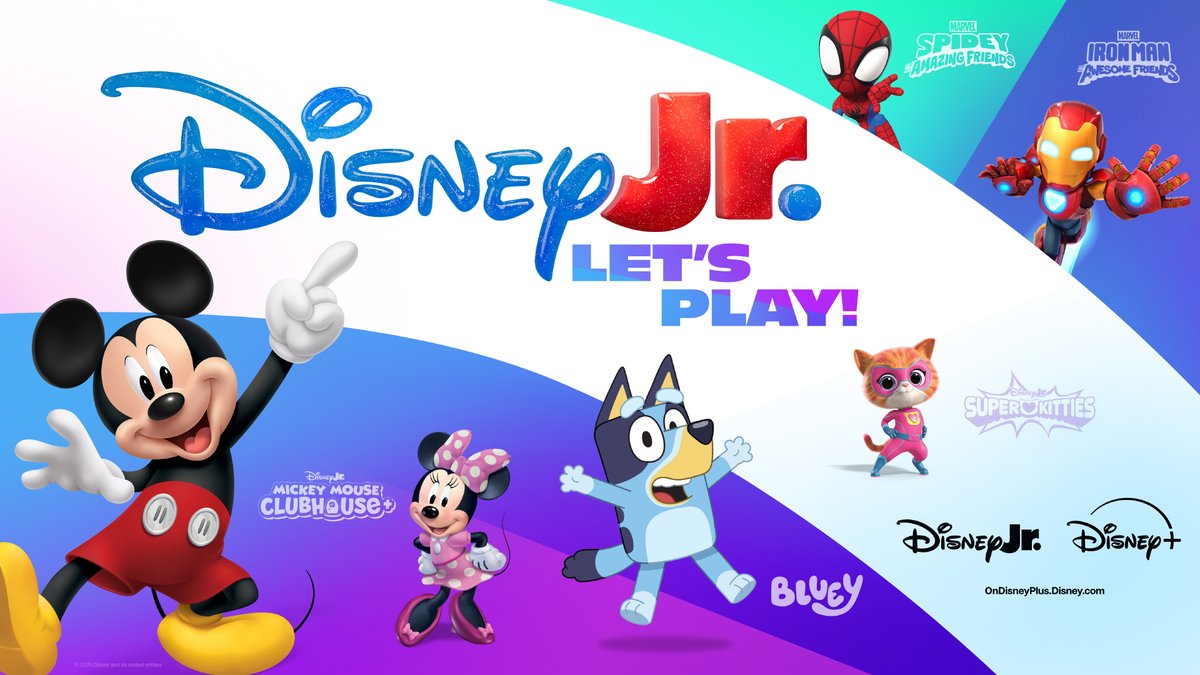
The vibrant world of Disney Jr. doesn't just captivate young audiences with enchanting stories; it also showcases a masterclass in dynamic brand identity. Understanding Disney Jr. logo usage across media and merchandise is more than just appreciating pretty pictures—it's about recognizing a meticulously crafted visual language that evolves, customizes, and connects. From bouncing letters to a sleek, modern update, the Disney Jr. logo has consistently reflected the playful, imaginative spirit of its content while adapting to new eras and platforms.
At a Glance: The Evolving Face of Disney Jr.
- A Tale of Two Eras: The original "Disney Junior" logo (2011-2024) featured Mickey Mouse as the "I," while the current "Disney Jr." logo (post-2024) is sleeker, with animated variants.
- The Big Rename: On June 1, 2024, "Disney Junior" officially became "Disney Jr.," marking a significant branding shift.
- Dynamic Customization: Many classic shows sported unique "Junior" logos, where characters formed the letters, a practice that defined its early branding.
- Multiple Modern Versions: The 2024 rebrand introduced a still digital graphic, a full CGI animated version, and an alternate "DJr." social media logo.
- Consistent Core: Despite changes, the "Disney" script (Walt Disney's handwriting) remains a constant, anchoring the brand to its heritage.
The Signature Mark: A Legacy of Playful Branding
For over a decade, Disney Jr. has been a cornerstone of preschool entertainment, a magical gateway where beloved characters teach valuable lessons through song, adventure, and friendship. At the heart of this brand lies its distinctive logo—a visual shorthand for quality, imagination, and fun. The original concept was brilliant in its simplicity: combine the iconic "Disney" script, a direct link to the company's storied legacy, with a clear, child-friendly "Junior." This foundational pairing set the stage for one of the most recognizable children's channel brands globally.
The logo isn't merely a static image; it's a living, breathing element that contributes to the overall brand experience. Whether it's the bouncy animation that introduces a show or the tailored appearance on a toy, its usage is carefully considered to reinforce the channel's identity. To truly grasp its impact, you need to understand its journey, from its playful beginnings to its recent, streamlined evolution. For a deeper dive into its rich history, you can always Learn more about the Disney Jr logo.
From "Junior" to "Jr.": A Timeline of Transformation
Like any thriving brand, Disney Jr. has adapted, matured, and refined its visual identity over time. The journey of its logo is a fascinating case study in how a brand stays fresh and relevant while retaining its core essence.
The Original 2011 Logo: A Bouncing Start
The era of "Disney Junior" officially began on February 14, 2011, and with it came a logo that would become instantly recognizable to millions of families worldwide. This initial mark wasn't just a static image; it was an experience.
Visually, the original 2011 logo presented "Disney" in the familiar black Walt Disney script, elegantly placed above "Junior" rendered in a bold, vibrant red font. The ingenious touch? Mickey Mouse himself represented the dot of the "I," a playful nod to the channel's most iconic ambassador. This wasn't just good design; it was smart branding, immediately associating the channel with its most cherished character.
The CGI production logo, animated with flair by We Are Royale, brought this design to life. Imagine bouncing letters, a celebratory burst of fireworks, and a memorable four-note orchestrated jingle—a short, catchy tune that signaled the start of adventure. This dynamic presentation made the logo feel less like a corporate identifier and more like a miniature animated short, perfectly aligning with the channel's content.
Its usage was primarily on original programming crafted for the channel and new prints of older Playhouse Disney shows. This ensured a consistent brand experience for internally produced content. However, it's worth noting a key distinction: this logo did not appear on Disney-acquired international shows, reflecting licensing or branding complexities in different markets. Interestingly, despite the more recent changes, this beloved logo continues to appear on some current programs, a testament to its enduring appeal, such as in episodes of Mickey Mouse Funhouse.
The 2024 Evolution: Streamlined & Modern
A significant shift occurred on June 1, 2024, when the channel officially retired its 2011 logo and rebranded, moving from "Disney Junior" to the more concise "Disney Jr." This change wasn't merely cosmetic; it signified a strategic streamlining of the brand for a new era of digital media and diverse content.
First 2024 Version (June 27 - October 25, 2024)
The initial phase of the 2024 rebrand introduced a still, digital graphic that marked a clear departure from its predecessor. This version featured "Disney" in a clean blue corporate font, positioned above "Jr" in a large, chunky red font, punctuated by a small blue dot. It was a simpler, more direct presentation, designed for immediate digital recognition. This version made its debut on the highly anticipated new series, Ariel, signaling the dawn of a new visual identity for the channel.
Second 2024 Version (August 9, 2024 - Present)
Building on the initial rebrand, Disney Jr. introduced a more animated, dynamic version that quickly became the standard. This CGI logo, set against a cheerful pink and blue gradient background, brought back some of the playful motion of the original.
In this iteration, "Disney" is rendered in a blue corporate font, now animated to bounce gently, adding a touch of whimsy. "Jr." appears in a bold, red Futura Bold Extended font, complete with its blue dot, and scales in and out, creating a sense of playful energy. This version is accompanied by a new, cheerful 3-note tune, culminating with kids shouting "Hooray!"—an auditory identifier that perfectly matches the channel's target demographic. This second 2024 version rolled out on Ariel (from episode 9-22 onwards) and Pupstruction (from episode 32-50 onwards), solidifying its place as the primary animated brand mark for current programming.
The "DJr." Alternate: A Shorthand for the Digital Age
Recognizing the need for adaptability, especially in fast-paced digital environments, an alternate "DJr." logo was also introduced. This concise variant, first seen in conjunction with Ariel, is perfect for social media profiles, small merchandise applications, or situations where space is at a premium. It offers a modern, shorthand identity that is instantly recognizable and versatile.
Beyond the Standard: The Power of Customization in Show Logos
One of the most creative and endearing aspects of the Disney Jr. brand, particularly during its "Disney Junior" phase (2011-2024), was its ingenious approach to show-specific logo variants. This practice truly elevated the logo from a simple channel identifier to an integral part of each show's unique visual identity.
The Genius of "Junior" Variants
Instead of merely placing the standard logo at the end of every episode, many shows on Disney Jr. featured custom logo variants. Here, each letter of "Junior" was meticulously designed to incorporate an aspect or character from that particular show. This wasn't just a design flourish; it was a clever way to build a deeper connection between the channel and its programming, fostering immediate recognition and affection.
Case Study: Mickey Mouse Clubhouse
Mickey Mouse Clubhouse provides a perfect illustration of this creative customization. In its variant logo, each letter of "Junior" became a miniature character representation:
- The "J" represented Goofy.
- The "U" was Minnie Mouse.
- The "N" embodied Pluto.
- The "I" featured Mickey Mouse, often the main character.
- The "O" showcased Donald Duck.
- The "R" brought Daisy Duck to life.
This approach was incredibly effective. The "I" was almost always depicted by the main character of the show, making it a central visual anchor. This consistent yet varied methodology created a sense of familiarity while celebrating the distinctiveness of each series.
Why Customization Matters: Building Identity and Engagement
This level of customization went beyond aesthetics. It served several critical functions:
- Builds Show Identity: Each show felt more distinct and special, with its own personalized brand mark.
- Enhances Engagement: Children (and their parents) enjoyed spotting their favorite characters in the logo, fostering a sense of discovery and fun.
- Strengthens Brand Recall: The unique visual connection made it easier for audiences to recall both the show and the channel.
- Merchandise Versatility: These custom logos provided rich assets for merchandise, allowing for more specific and appealing product designs.
Practical Implications for Branding and Merchandise
While the 2024 rebrand has moved towards a more unified channel logo, the legacy of these customized "Junior" variants remains a powerful example of how deep visual storytelling can go. For merchandise, these show-specific logos were invaluable. Imagine a Mickey Mouse Clubhouse t-shirt that incorporates the Mickey "I" or the Goofy "J"—it's instantly more appealing and recognizable to a young fan than a generic channel logo. It allowed for tailored product lines that resonated directly with fans of individual shows, demonstrating a thoughtful approach to brand extension.
Navigating Logo Usage Across Media and Merchandise
For anyone involved in branding, content creation, or product development related to Disney Jr., understanding the precise guidelines for logo usage is paramount. The channel's identity is carefully protected, ensuring consistency, quality, and brand integrity across every touchpoint.
For Content Creators: Adhering to the Visual Standard
When producing new content or packaging existing shows for Disney Jr., creators must pay close attention to the official brand style guides.
- Adherence to Style Guides: This is the golden rule. Every animation studio, production house, or creative team working on Disney Jr. content receives comprehensive style guides detailing approved logo versions, placement, clear space requirements, color palettes, and animation specifications. Deviations are typically not permitted without explicit approval.
- When to Use Standard vs. Show-Specific Logos: While the era of highly customized "Junior" variants has largely shifted to the unified 2024 "Jr." logo, understanding historical usage is still important for re-runs or archival materials. For new productions, the current CGI animated 2024 logo is the default end-card identifier.
- Consideration for International Distribution: As seen with the 2011 logo not appearing on acquired international shows, global branding can have nuances. Partners distributing Disney Jr. content internationally must be aware of regional licensing and branding guidelines that might dictate which logo versions are permissible. Consistency here is key to a unified global presence.
- Consistency in Brand Messaging: The logo is more than an image; it carries the channel's promise of engaging, educational, and fun content. Ensuring its consistent and high-quality appearance reinforces this brand promise across all media—from television broadcasts to streaming platforms and promotional materials.
For Merchandise Developers: Translating Visuals to Products
Merchandise is where the Disney Jr. brand truly comes to life in the physical world. From toys and apparel to books and home goods, the logo's application here requires precision and adherence to strict licensing agreements.
- Licensing Agreements and Brand Guidelines Are Paramount: Before any merchandise is developed, a robust licensing agreement is put in place, accompanied by detailed brand guidelines. These documents outline permissible logo usage, approved character art, color specifications, and quality standards. Unauthorized usage or modifications can lead to legal complications and damage brand reputation.
- Using the Primary Logo vs. Show-Specific Character Logos: For general Disney Jr. branded merchandise (e.g., a "Disney Jr." branded activity book with multiple characters), the current primary 2024 logo is generally used. However, for products tied to specific shows (e.g., a Pupstruction construction set), the show's title logo and primary character artwork will take precedence, often featuring the current 2024 Disney Jr. logo in a supporting, less prominent role as the channel identifier.
- Ensuring Age-Appropriateness and Brand Integrity: All merchandise must align with the Disney Jr. brand values of being safe, educational, and inspiring for preschoolers. Logo placement and design must be aesthetically pleasing, clearly legible, and suitable for the target age group, avoiding overly complex or abstract applications.
- The Role of the "DJr." Logo for Smaller Applications or Digital Merchandising: The compact "DJr." logo is particularly useful for smaller merchandise elements, such as clothing tags, small app icons, or digital banners. Its streamlined design ensures visibility even at reduced sizes, maintaining brand recognition in diverse contexts. Thoughtful application, like how various brands use concise marks for social media, ensures that even small details reinforce the larger brand.
Common Pitfalls and Best Practices in Disney Jr. Logo Application
Even with clear guidelines, common errors can dilute brand strength. Knowing what to avoid and how to apply the logo effectively is crucial for maintaining the premium quality associated with Disney Jr.
Pitfalls to Avoid:
- Inconsistent Branding: Using a mix of old and new logos on current materials, or failing to update archived content when necessary, can confuse audiences and signal a lack of brand control.
- Using Outdated Logos: Applying the 2011 "Disney Junior" logo to new products or promotions (post-June 2024) is a significant misstep, as it doesn't reflect the current brand identity.
- Poor Reproduction Quality: Using low-resolution assets, stretching or distorting the logo, or applying incorrect color values compromises the visual integrity and perceived quality of the brand.
- Unauthorized Variants or Modifications: Altering the font, changing colors, or adding unauthorized elements to the logo—even slightly—is strictly against guidelines and undermines the brand's consistency. This includes attempting to recreate the beloved custom "Junior" letters without explicit approval, which is rarely granted outside of specific creative briefs for established shows.
- Ignoring Clear Space Guidelines: Crowding the logo with other elements or text makes it difficult to read and diminishes its impact.
Best Practices for Optimal Logo Application:
- Always Consult Official Brand Guidelines: This is the definitive source for all logo usage. Make it your first and last stop for any branding query. Guidelines cover everything from minimum size to co-branding rules.
- Leverage High-Resolution Assets: Always use the official, high-quality vector or raster files provided by Disney. This ensures crisp, clear reproduction across all media, from print to digital.
- Understand the Target Audience: While adhering to guidelines, also consider how the logo will be perceived by preschoolers and their parents. Simplicity and clarity are key.
- Maintain Visual Hierarchy: Ensure the Disney Jr. logo is appropriately sized and positioned relative to other design elements. It should be visible and recognizable without overwhelming the primary content or product.
- Prioritize Legibility: Regardless of the application—be it a tiny toy or a large billboard—the logo must always be easy to read and identify. Check contrast, size, and background interference.
Looking Ahead: The Evolving Face of Disney Jr.
The journey of the Disney Jr. logo is a testament to the dynamic nature of brand identity in a rapidly evolving media landscape. The shift from "Disney Junior" to "Disney Jr.," along with the introduction of new visual and auditory elements, demonstrates a proactive approach to staying relevant and fresh for a new generation of viewers.
As technology continues to advance and new platforms emerge, the Disney Jr. brand will undoubtedly continue to adapt. The balance between maintaining classic elements, like Walt Disney's iconic script, and embracing modern design trends is crucial. This forward-thinking approach ensures that the channel's visual identity remains as engaging and imaginative as the stories it tells, ready to capture the hearts and minds of preschoolers for years to come.
Your Guide to Mastering Disney Jr. Branding
Navigating Disney Jr. logo usage across media and merchandise requires diligence, attention to detail, and a deep respect for the brand's heritage and future direction. By understanding the evolution of its logos—from the playful, bouncing "Junior" to the sleek, modern "Jr."—you gain insight into the strategic thinking behind one of the most successful children's entertainment brands.
Whether you're a content creator, a merchandise developer, or simply a fascinated observer, the core takeaway remains: the Disney Jr. logo is a powerful, living symbol. Its proper application ensures that every piece of content, every product, and every digital interaction consistently delivers the magic and quality that audiences have come to expect. Stay informed, consult the official guidelines, and contribute to the vibrant legacy of Disney Jr.'s world.